

Root Canal Treatment – Conway, SC
Rescuing Natural Teeth from Extraction
Are you terrified of needing a root canal? If so, you’ll be happy to know that Dr. Murph and our team at American Dental Care will make sure that you’re completely comfortable and pain-free from beginning to end. If you want to learn more about this emergency dental treatment before scheduling an appointment, then read on. If you’re ready to book a visit, then contact our Conway, SC dental team today!
Why Choose American Dental Care for Root Canal Treatment?
- Sedation Offered for Anxious Patients
- Dentist with Advanced Training in Oral Surgery
- Same-Day Emergency Appointments Available
Do You Need Root Canal Treatment?

Here are a few common warning signs that a root canal may be needed:
- Inflamed, swollen, or bleeding gums
- Pain when biting down
- Dark discoloration on the tooth in question
- A pimple-like bump on the gums
- Persistent dental sensitivity
Of course, the easiest way to find out if you need a root canal is by scheduling an appointment with an experienced dentist, like Dr. Murph. That way, he can learn about your symptoms, conduct a comprehensive oral exam, and determine if that’s the best restorative treatment for you.
Is Root Canal Therapy Scary?
In many cases, dental patients experience severe pain before undergoing a root canal. This is likely where the negative association comes from. We are sure to use local anesthetics, which entail the same amount of discomfort as getting a filling, and proper pain medication so that you have little to no pain. Some soreness following the procedure is normal as with most dental procedures, and over-the-counter painkillers typically relieve any pain afterward. Root canal treatment will relieve any pain or sensitivity from the infection, which means that you can enjoy the foods you love without pain from heat, cold, or biting too hard.
The Root Canal Process
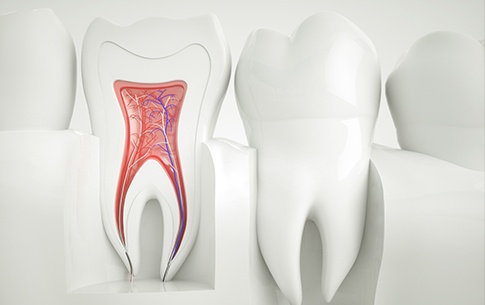
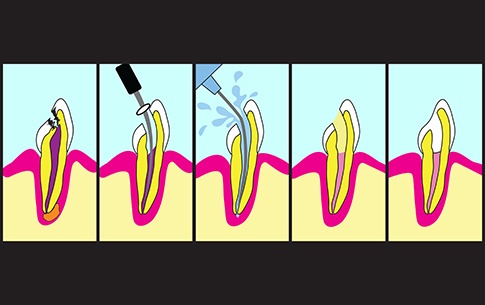
Before we begin, we will numb the area around the tooth with a local anesthetic. This should alleviate any pain you may be feeling. Then, Dr. Murph will create an opening into the tooth’s canal and remove infected tissue. After cleaning the canal, the chamber is filled with a sealant called gutta percha. In general, a tooth that has experienced a root canal is topped with a dental crown, which will restore the appearance and function of the tooth. A dental crown will also increase the chances of successful treatment.
The Benefits of Getting a Root Canal
You’ve probably heard the myth that root canals are painful, but that’s all it is—a myth. The fact is that root canal procedures actually relieve pain. Not only that, but it saves teeth that otherwise would need to be completely removed, and the restoration used to protect the tooth moving forward looks and feels just like the real thing.
Root Canal FAQs
How Much Pain is Considered Normal After a Root Canal?
Our compassionate team in Conway will numb your tooth with a local anesthetic, and can also provide nitrous oxide (laughing gas) sedation to help you feel calm and comfortable for your procedure itself. That means you shouldn’t feel any aches until the meds start to wear off afterward.
Then, most patients can expect to feel sore and sensitive for a few days, but these symptoms are usually temporary and resolve themselves relatively quickly. It’s often safe to take over-the-counter pain medications, such as acetaminophen or ibuprofen, to provide relief. You can avoid triggering additional tenderness by sticking to softer foods at first, and reintroducing more solid options as you feel ready. If you experience persistent or severe pain for more than 3 days, please contact our office so Dr. Murph can ensure you’re healing as intended.
How Can I Prepare for My Root Canal Procedure?
Are you curious if there’s anything you can do ahead of time to help ensure that your procedure will be successful? Our team may provide special instructions for you to follow based on your individual circumstances, but usually, patients can help prepare themselves by:
- Eating a healthy meal. You’ll be numb for a little while following your visit and might burn or bite your mouth trying to eat too soon. As a result, we might recommend eating a healthy meal a couple of hours before your procedure, so you won’t be hungry immediately afterward.
- Avoid unhealthy habits. Habits like smoking cigarettes or drinking alcohol can impact the numbing medication, which can potentially result in complications during or after your appointment.
- Take pain medications. Taking the recommended dosage of over-the-counter pain meds can often reduce discomfort as the numbing agent wears off, whether or not you plan to be sedated.
- Get a good night’s sleep. Quality rest can boost your immune system to help you recover.
How Long Does a Root Canal Usually Take?
Although the exact duration of a root canal can depend on the patient’s unique circumstances, many are able to undergo their treatment the same day as their initial visit. Then, it can take anywhere from 30 to 90+ minutes to complete the procedure, based on the number of teeth requiring treatment, where they are located, and how many roots they have.
For example, molars in the back of your mouth are harder to access and have more roots, which take longer to clean and can result in a longer visit.
How Long Does Root Canal Recovery Last?
Are you curious whether or not you’ll need to take time off work to recover from your treatment? The recovery time can vary for everyone, but many people are able to resume their usual activities the day after their root canal.
However, if your job requires physical labor, you may want to take a few days off to give your mouth time to mend properly. Vigorous exercise, or anything that elevates your heart rate or blood pressure, can potentially divert blood from the site, which slows the healing process.
You may be able to brush and floss normally, but you should be careful around the treated tooth to avoid triggering additional sensitivity. You can also avoid biting or chewing anything with the treated tooth, and avoid overly hard or crunchy foods until you’ve recovered.