
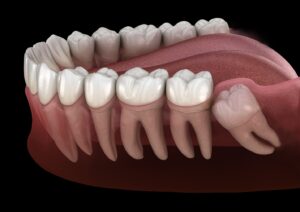
So-called “wisdom teeth” earned their moniker because they usually emerge during the late teens or early 20s when a person matures or wizens up. While some people have enough room for their wisdom teeth to grow in normally, others don’t. When a wisdom tooth can’t fully emerge or develops at an improper angle, it’s considered impacted.
Impacted wisdom teeth can cause problems if they aren’t monitored or treated. Here are 3 warning signs to watch for and why extraction is sometimes a wise move.
1. Pain or Tenderness in the Back of Your Mouth
Pain near the back molars is one of the most common signs that a wisdom tooth may be impacted. You may notice soreness in your gums, pressure around the tooth, or discomfort that becomes worse when chewing.
Pain can occur when the tooth presses against neighboring teeth or when the surrounding gum tissue becomes inflamed. While not every painful wisdom tooth requires immediate extraction, persistent or worsening discomfort should be evaluated by a dentist.
2. Swollen or Inflamed Gums
An impacted wisdom tooth may only partially emerge through the gums, creating an area where food particles and bacteria can become trapped. This can lead to inflammation or an infection around the tooth.
You may notice red, swollen, or tender gums near the back of your mouth. Bad breath or an unpleasant taste can also occur when bacteria accumulate around a partially erupted wisdom tooth.
If swelling spreads or is accompanied by fever, difficulty swallowing, or difficulty breathing, get to an emergency room stat!
3. Jaw Stiffness or Difficulty Opening Your Mouth
An impacted or infected wisdom tooth can sometimes cause discomfort and inflammation that affects the surrounding tissues. You may experience jaw soreness, stiffness, or difficulty opening your mouth fully.
These symptoms shouldn’t be ignored, particularly if they’re accompanied by swelling or significant pain. A dental examination and X-rays can help determine the position of the wisdom teeth and whether they are causing problems.
Why Might Wisdom Teeth Need to Be Extracted?
Not every impacted wisdom tooth needs to be removed. If a wisdom tooth is healthy, fully erupted, properly positioned, and easy to keep clean, your dentist may recommend just keeping an eye on it.
Extraction may be recommended when an impacted tooth causes recurring infections, significant pain, decay, gum disease, damage to neighboring teeth, or other complications. Removing a problematic wisdom tooth can help prevent repeated issues and protect nearby teeth.
If you’re experiencing any of those symptoms, contact your dentist sooner rather than later so they can examine your mouth and make the proper call regarding treatment.
Impacted wisdom teeth don’t always cause noticeable symptoms, which is why routine dental examinations are important during the years when they typically develop. Early assessment allows your dental team to monitor the situation and determine whether extraction or continued observation is the best option for your oral health.
About the Author
Dr. Tommy Murph has more than 33 years of experience serving the Conway community’s dental needs, complemented by an educational background that includes a doctorate degree from the Medical University of South Carolina and over 600 completed hours of continuing education courses. He and his warm, gentle team at American Dental Care offer wisdom tooth extraction along with dental sedation if you’re anxious about the procedure. Questions? Call us at (843) 488-4357 for assistance or feel free to visit our website.